
Eco-Frame Project
Reimagining Waste. Redefining Value.EcoFrame is an evolving project transforming recycled plastic from Leipzig into sustainable Fine Art frames — merging circular design, environmental responsibility, and artistic expression.

EcoFrame begins with a simple yet urgent idea:
to transform waste into something meaningful — something that lasts.
In a world increasingly defined by plastic pollution, this project seeks to challenge how we perceive materials — not as disposable, but as resources with untapped potential.EcoFrame is currently in development, with the vision of creating high-quality Fine Art frames made from locally recycled plastic in Leipzig. Each piece is designed to merge aesthetics, sustainability, and purpose into a single object.More than a frame, each creation represents a shift in perspective —
from waste to value, from consumption to consciousness.
At its core, EcoFrame brings together:
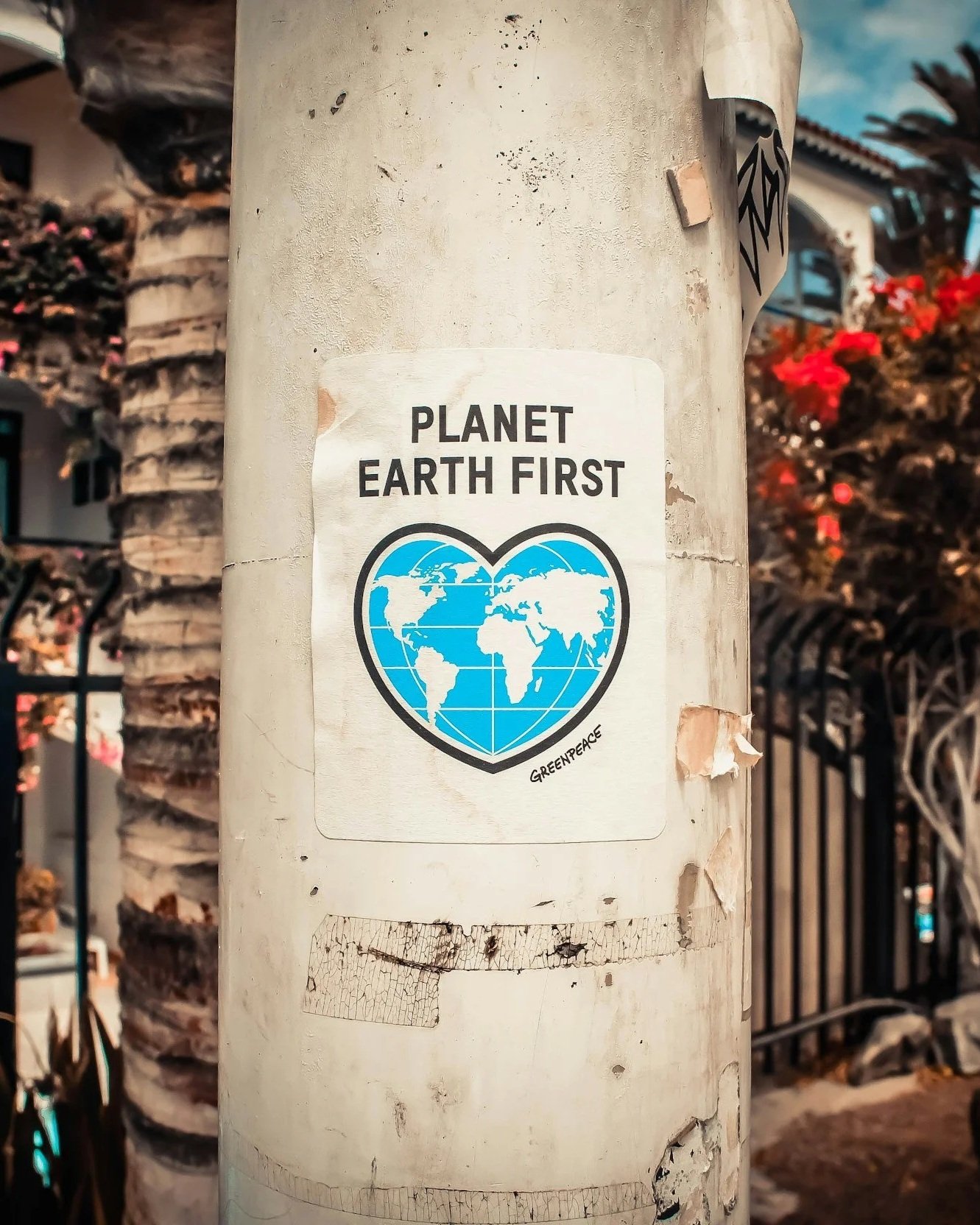
Circular economy principlesSustainable material innovationA deep connection between art and environmental awareness
By revalorizing plastic waste into refined, durable frames, the project aims to demonstrate that sustainability can be both functional and visually compelling — without compromise.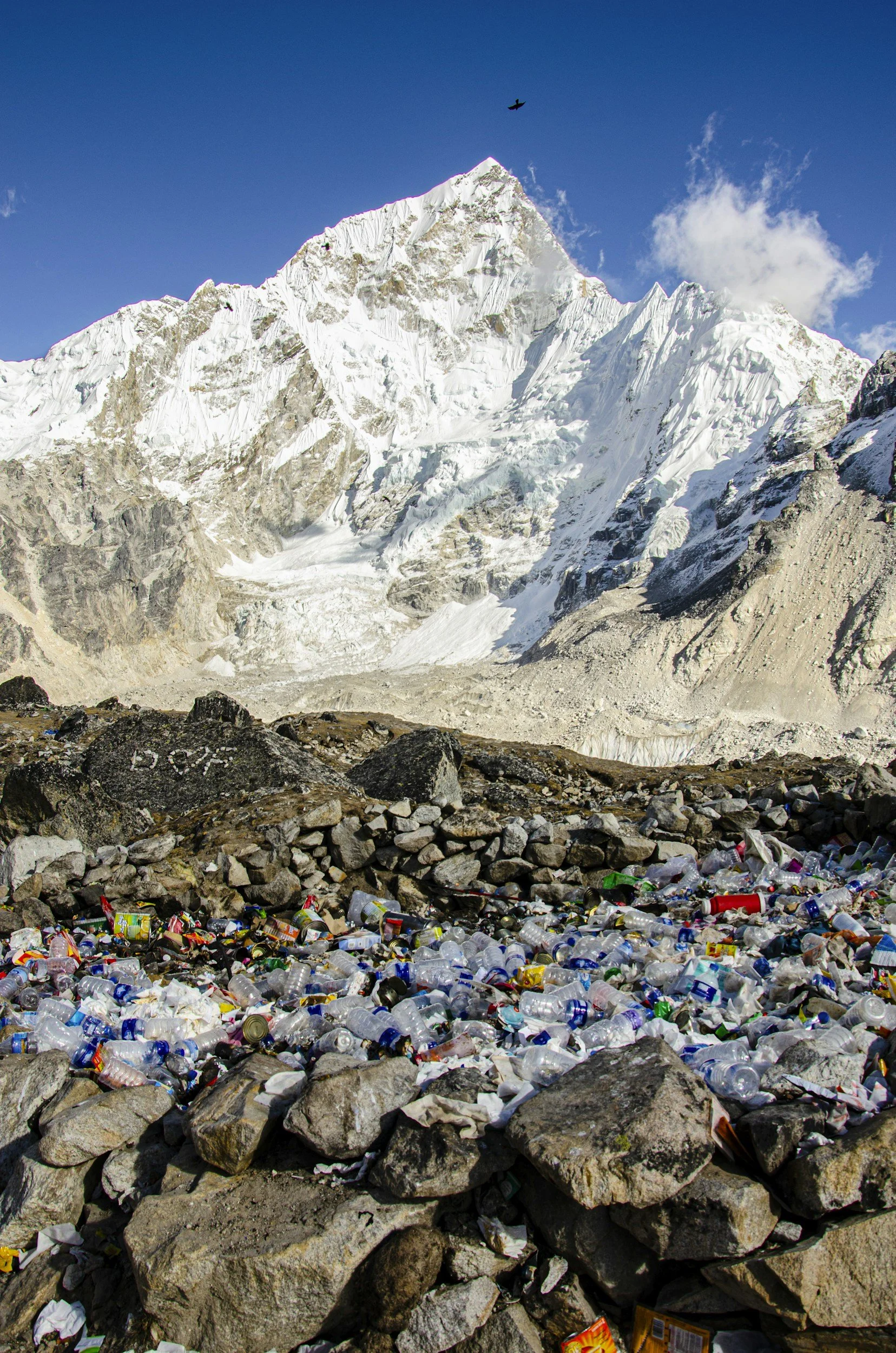
EcoFrame is designed to contribute to a broader, interconnected impact:
♻️ Reducing plastic waste through local recycling initiatives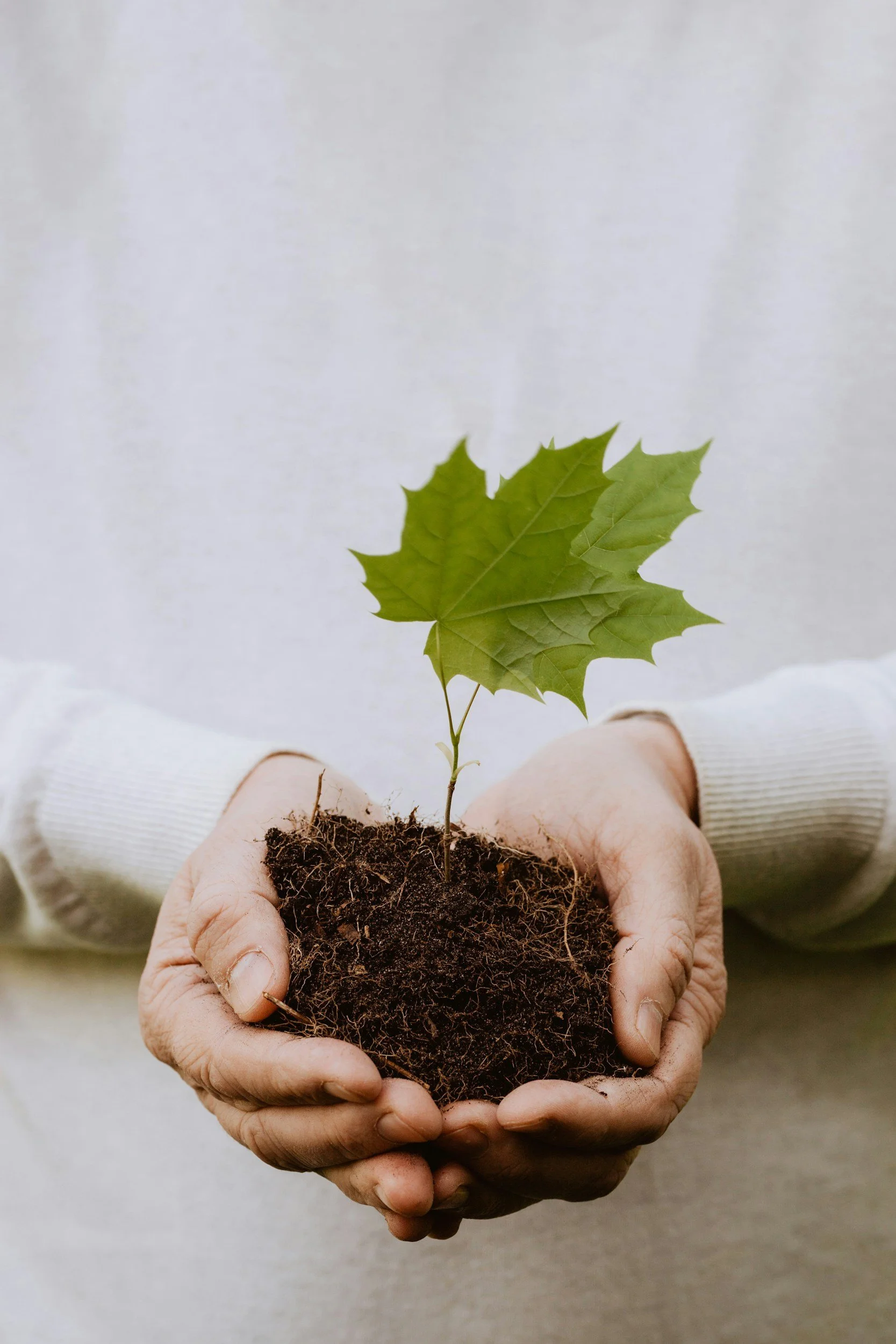
🌱 Supporting reforestation in vulnerable ecosystems in South America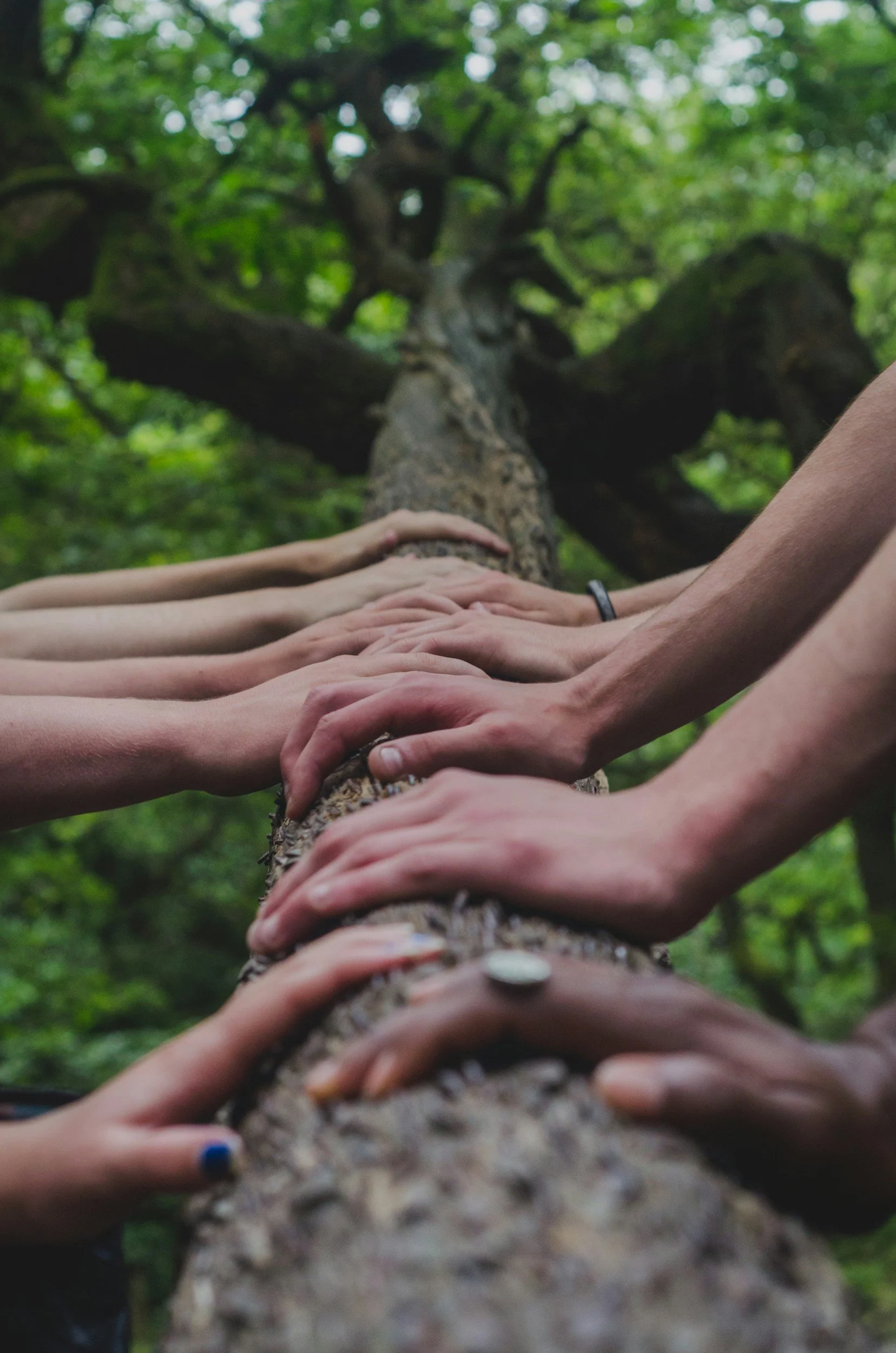
🎨 Creating meaningful connections between people, art, and nature
Each piece becomes part of a system where creation and responsibility coexist.The Urgency Behind the Vision
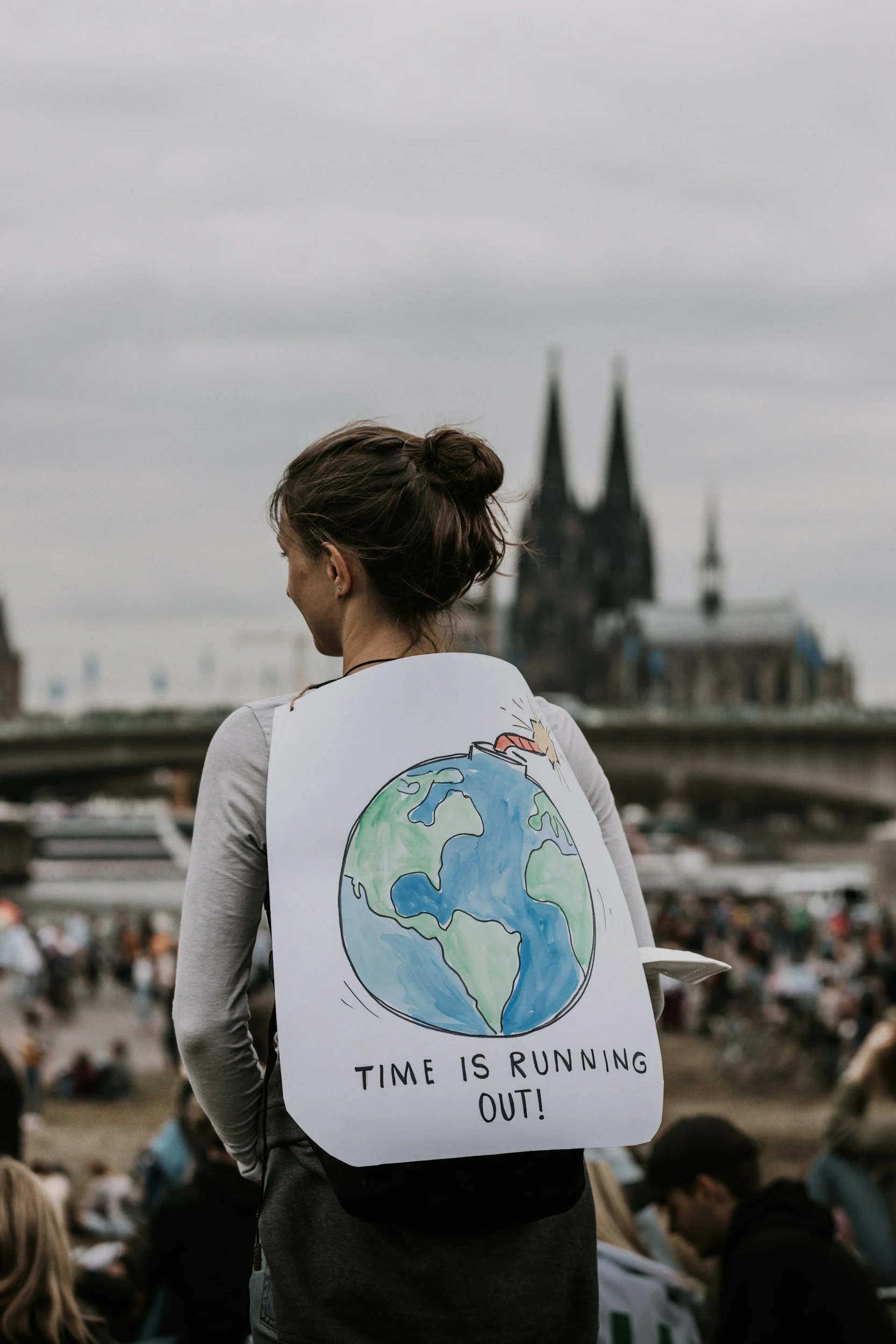
We are living at a turning point.

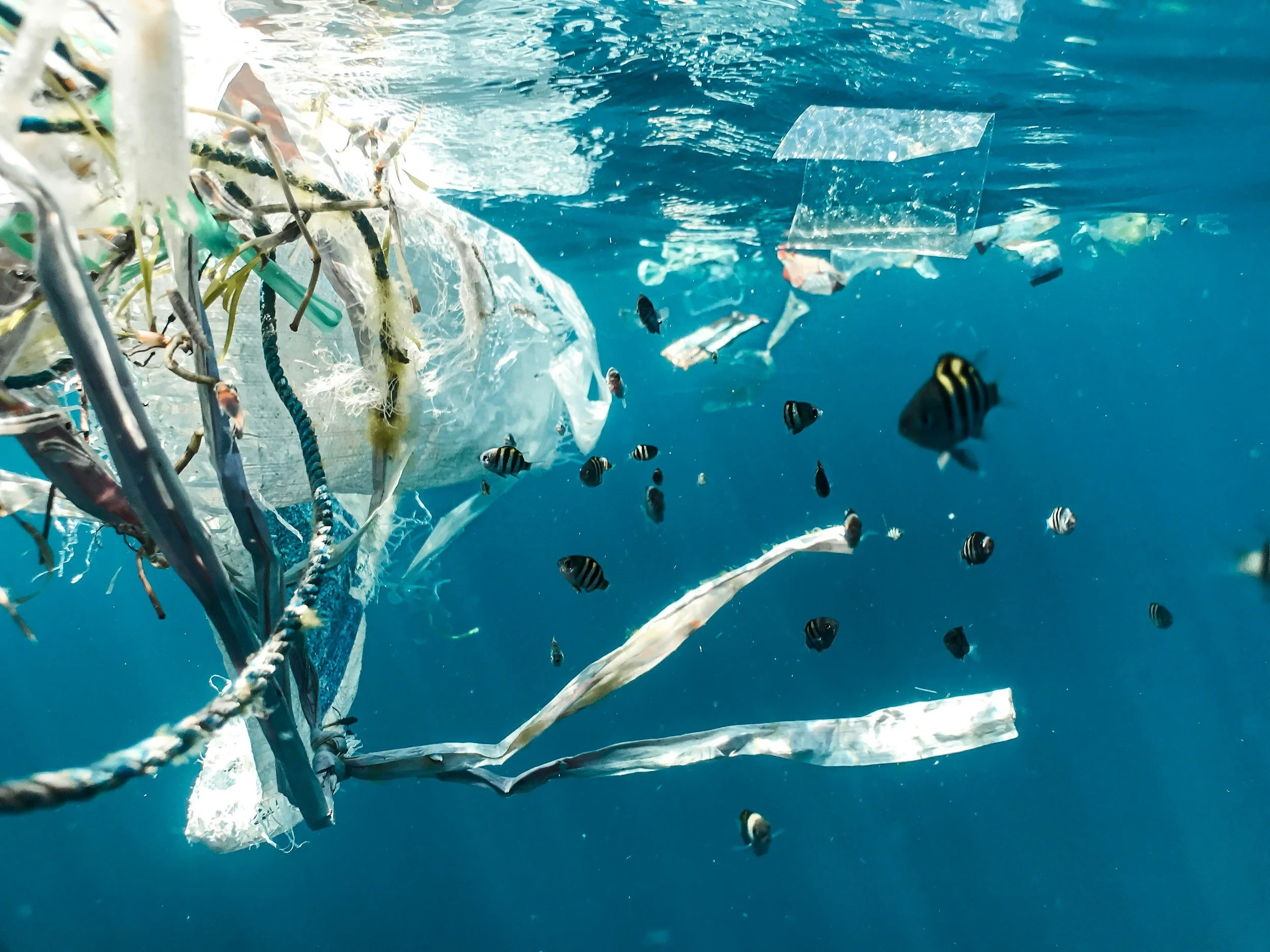
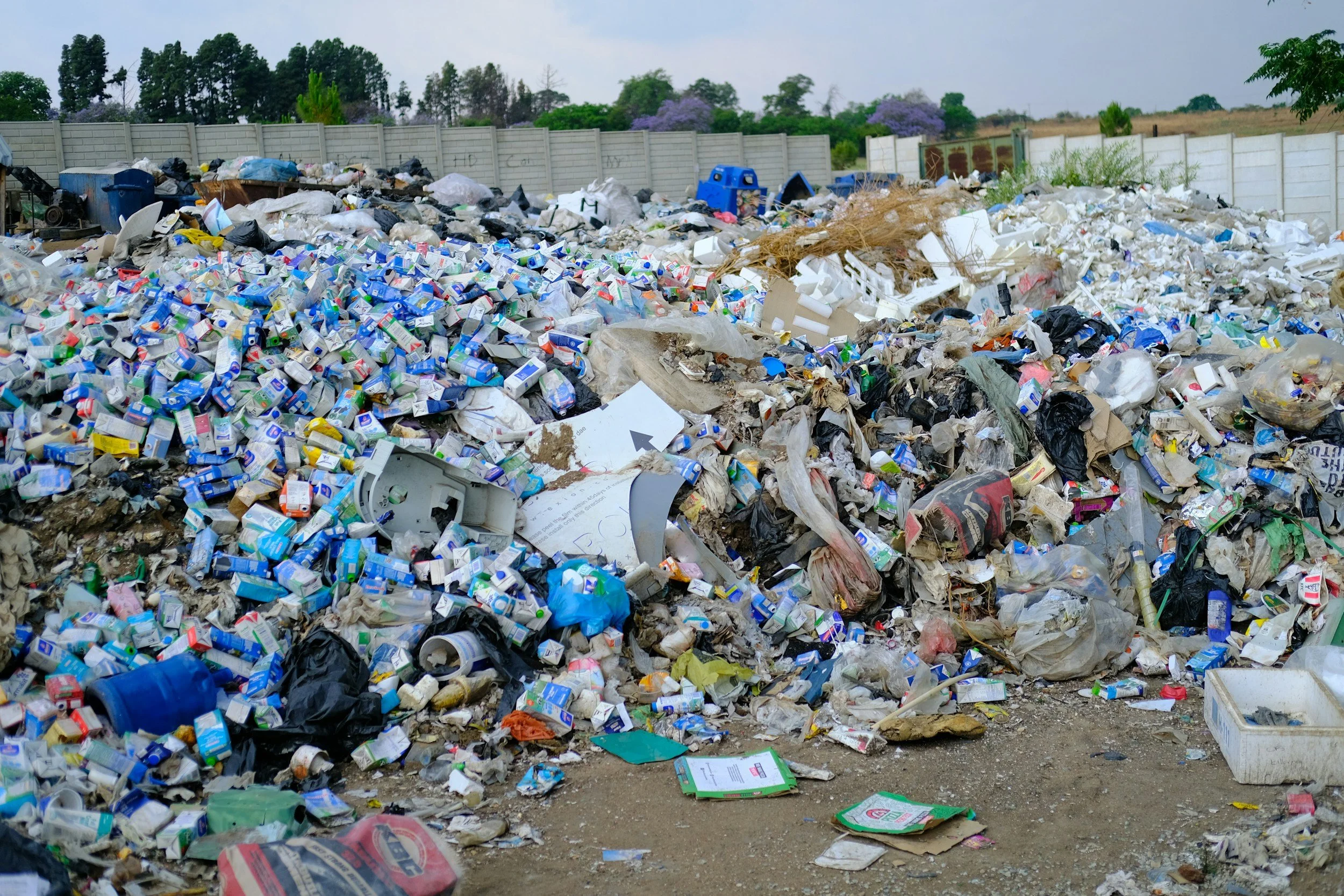
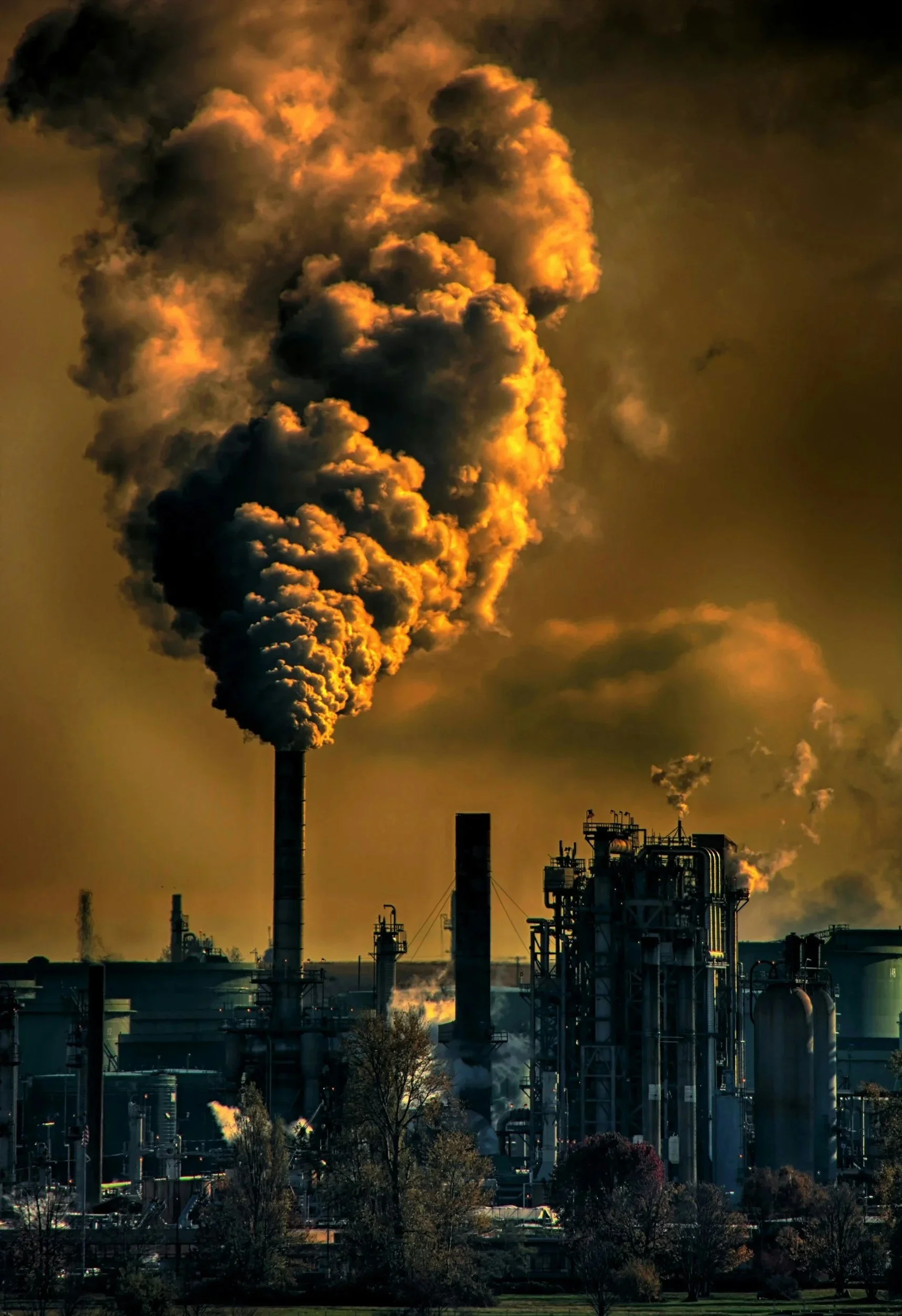
Every year, the world generates over 350 million tons of plastic waste — yet only around 9% is ever recycled.
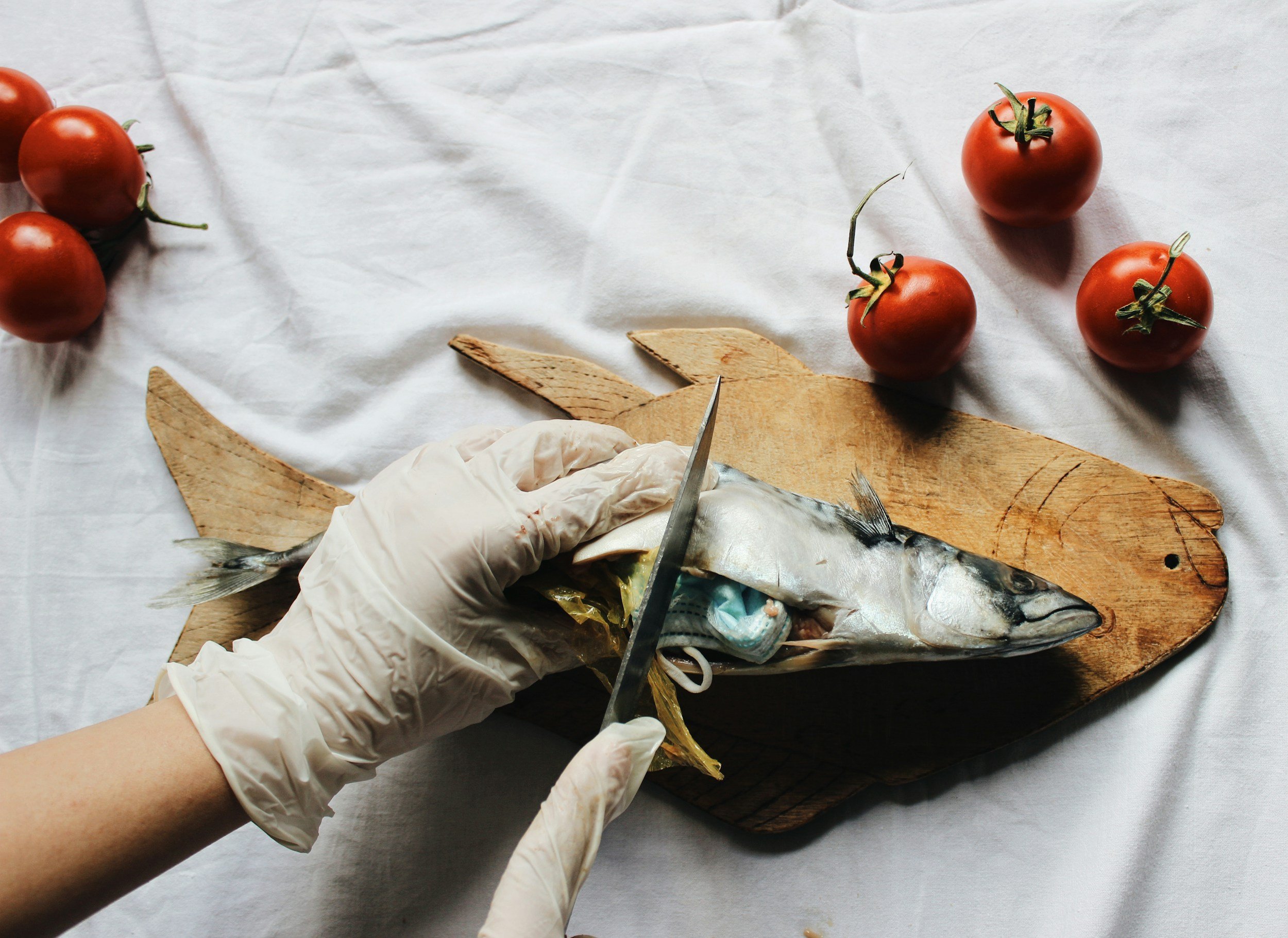
The rest accumulates in landfills, oceans, and ecosystems, becoming part of a global pollution crisis that is now present in the air we breathe, the water we drink, and even our bodies.

If no action is taken, plastic pollution is projected to more than double by 2040, reaching levels equivalent to dumping a truck of plastic waste into nature every second.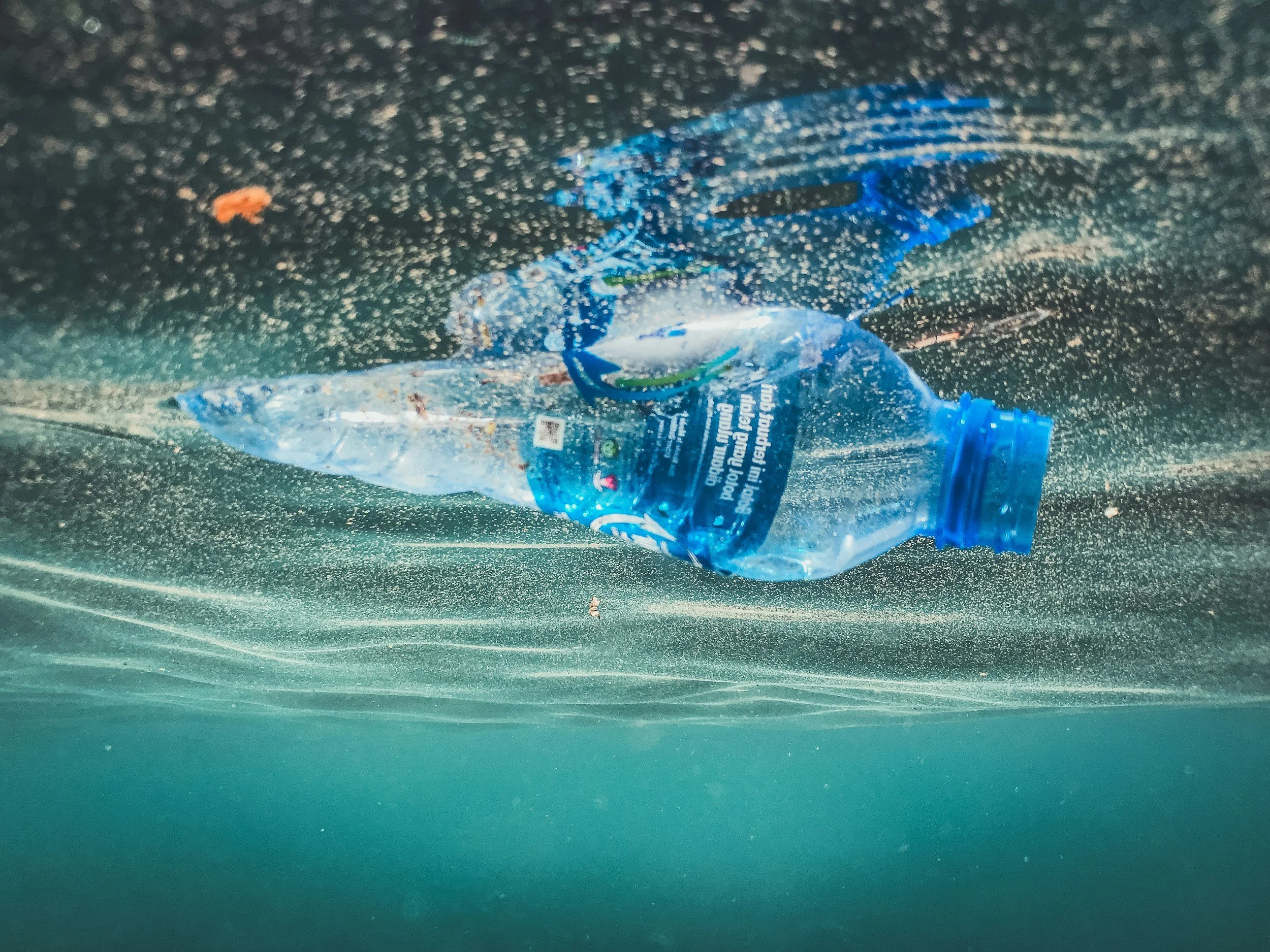
A Systemic Problem
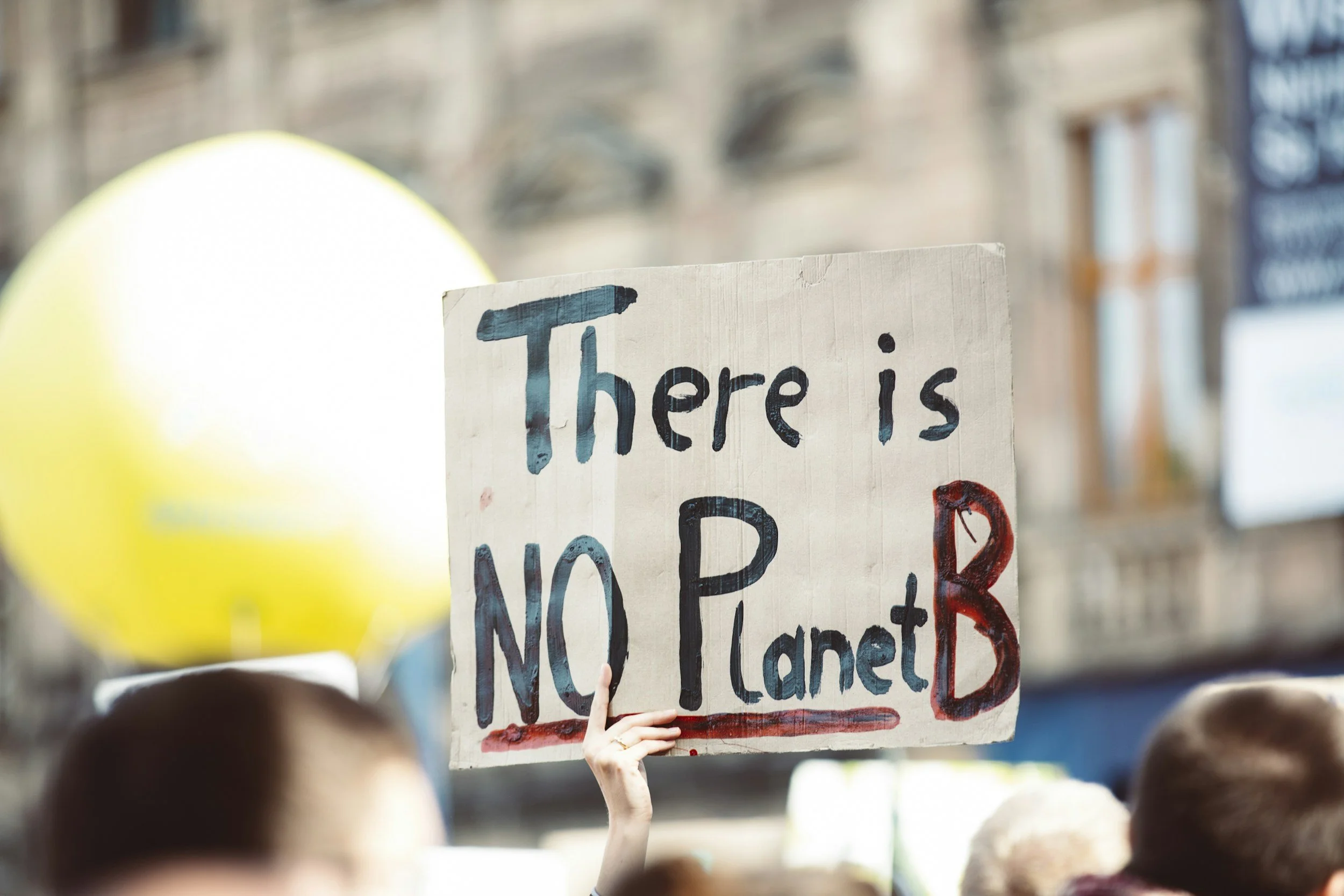
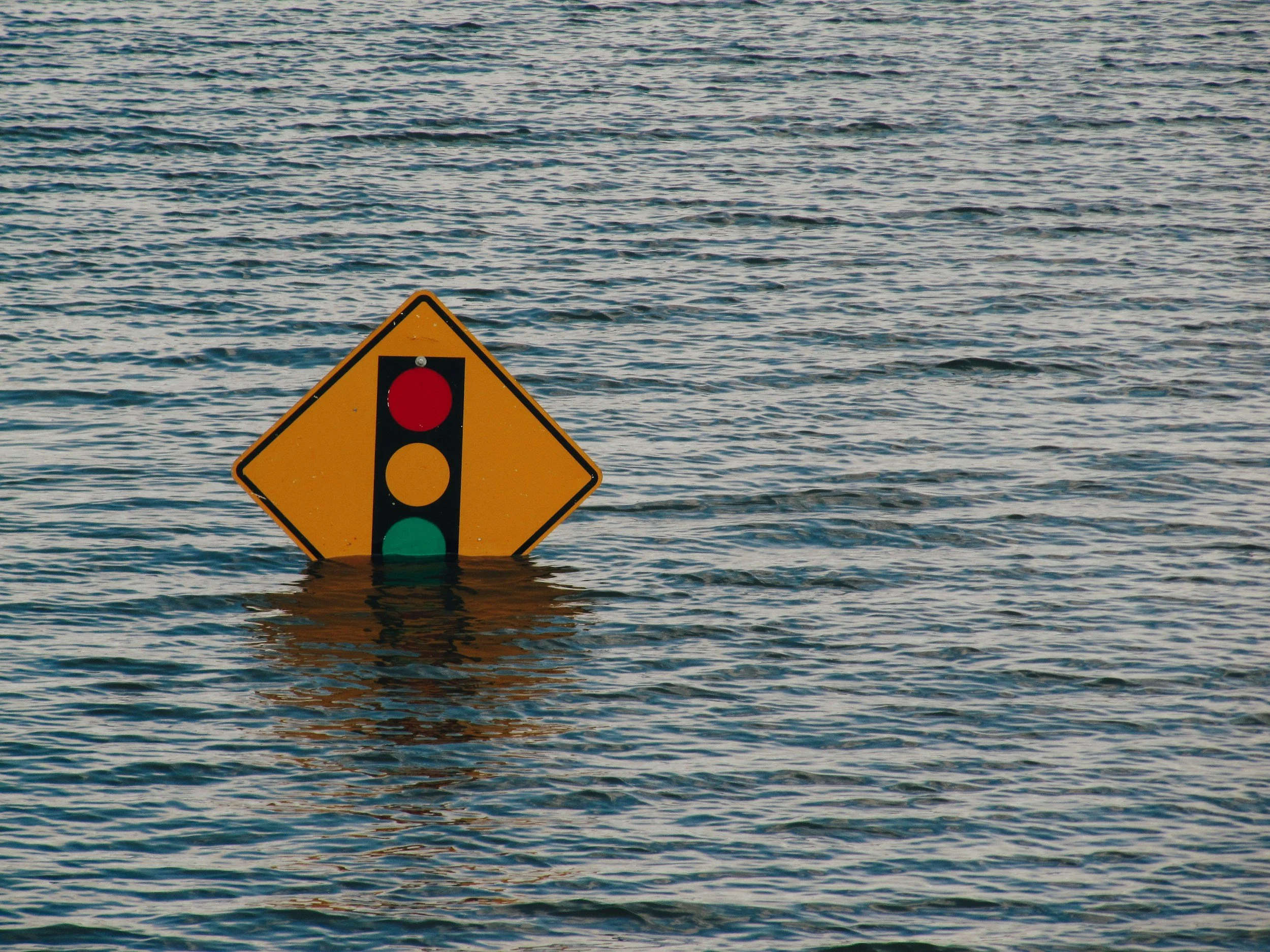
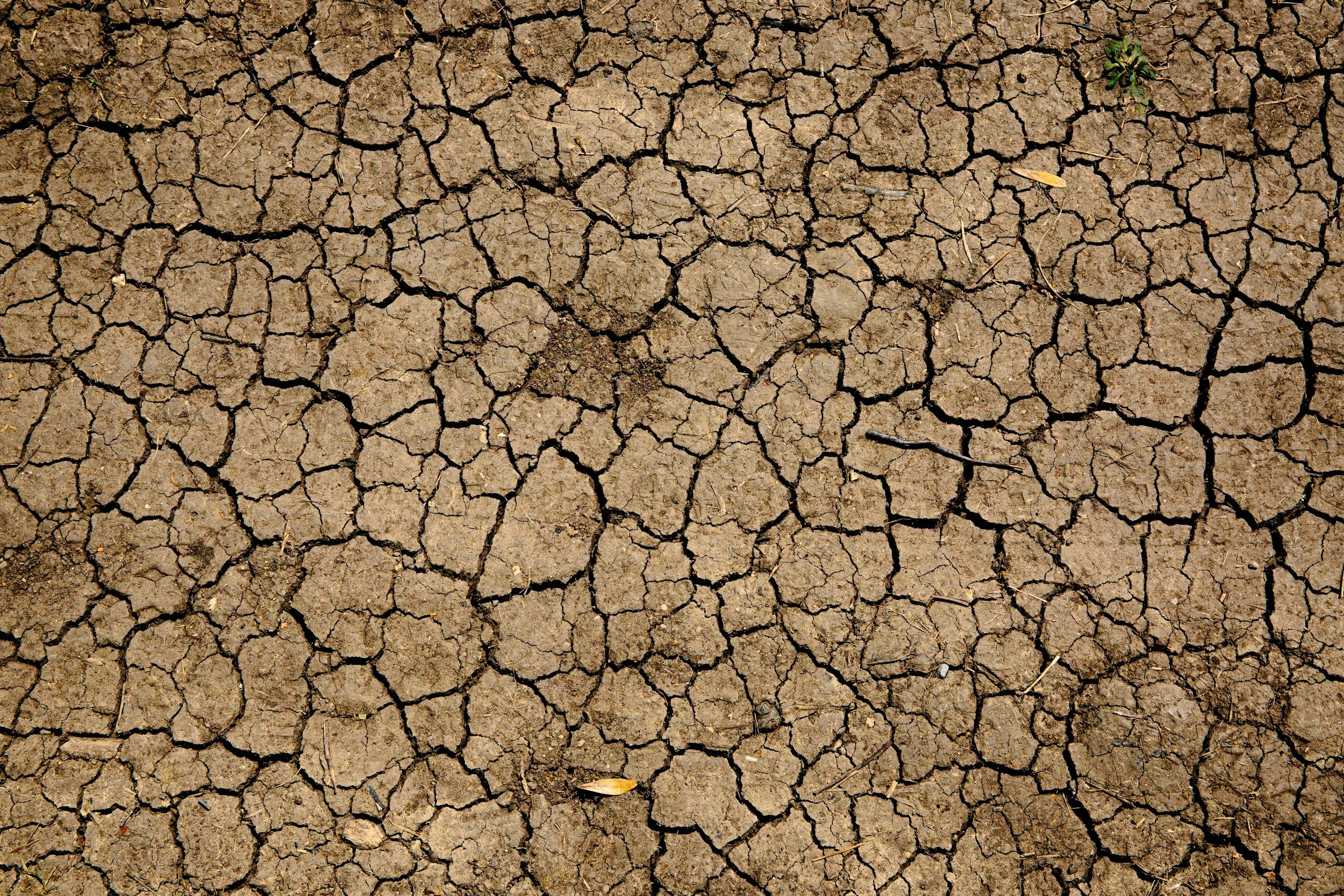
Plastic is not just a waste issue — it is deeply connected to climate change.Plastics are derived from fossil fuels and generate emissions throughout their lifecycleThey are now one of the fastest- growing sources of industrial greenhouse gasesClimate change itself makes plastic pollution even more harmful and widespreadThis creates a reinforcing cycle:
more plastic → more emissions → more environmental damage

Why Reforestation Matters
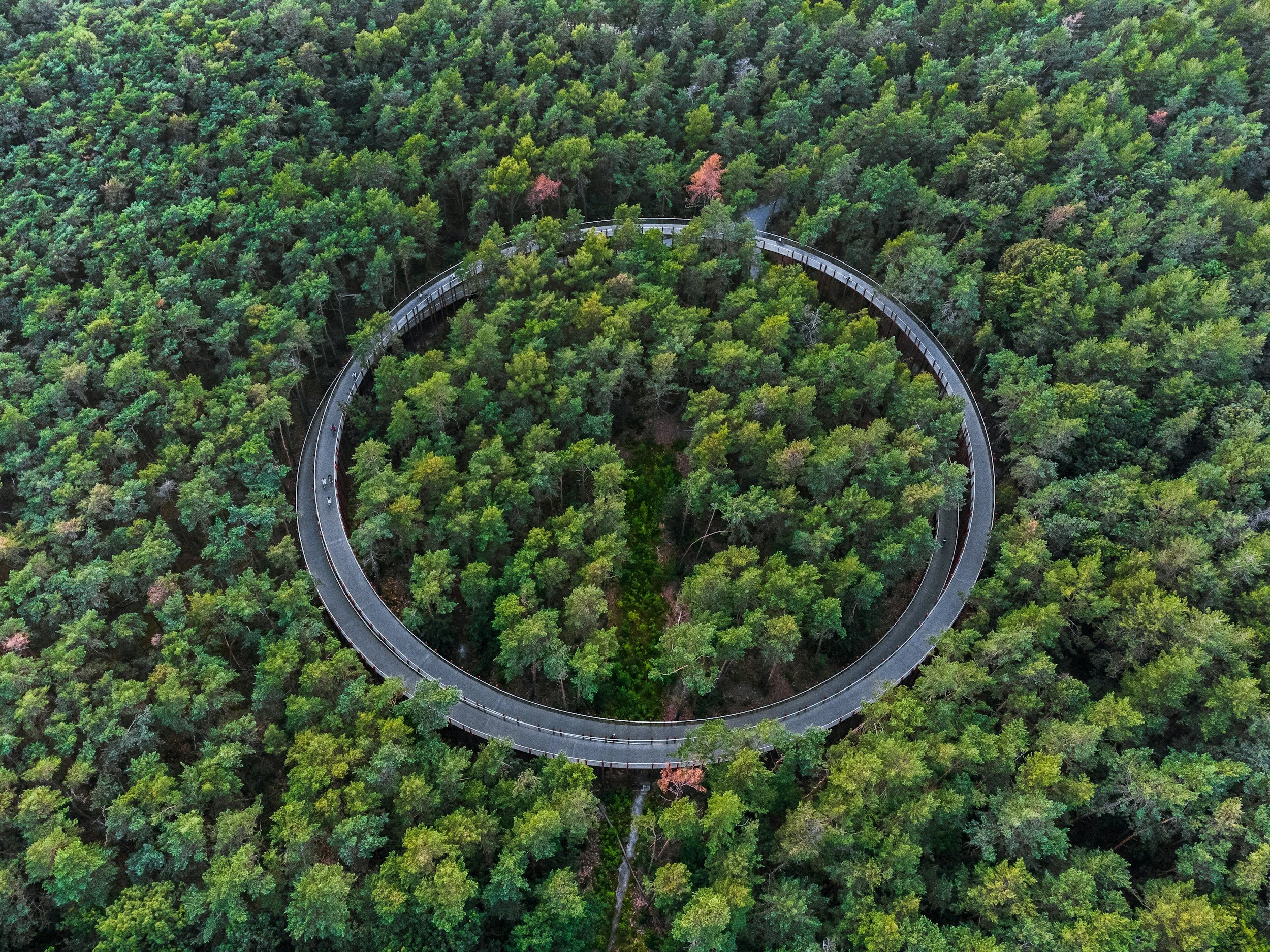
At the same time, restoring ecosystems is one of the most powerful tools we have. Healthy forests help to
Capture carbon from the atmosphereRestore biodiversityProtect soil and water systemsStrengthen ecosystem resilienceHealthy forests act as natural climate regulators — helping to stabilize the very systems that are currently under pressure.

The Opportunity
Despite the scale of the problem, the solution is not only possible — it is already emerging.The transition toward a circular economy — where materials are reused, reimagined, and kept in use — has the potential to significantly reduce pollution, emissions, and resource extraction.But this shift requires more than technology.
It requires new ways of thinking, creating, and valuing materials.
Creating a Triple Impact Where Art Creates Change
Trasciende is built on a model of triple impact:🌱Reforestation: A native tree is planted in a vulnerable ecosystem in South America — restoring biodiversity, absorbing carbon, and protecting endangered habitats.♻️Circular Innovation: Development of Eco-Frames, exclusive art frames crafted in Leipzig from 100% recycled plastic.🌍 Sustainable Vision: Alignment with UN Sustainable Development Goals (SDGs) — climate action, biodiversity preservation, and responsible consumption.

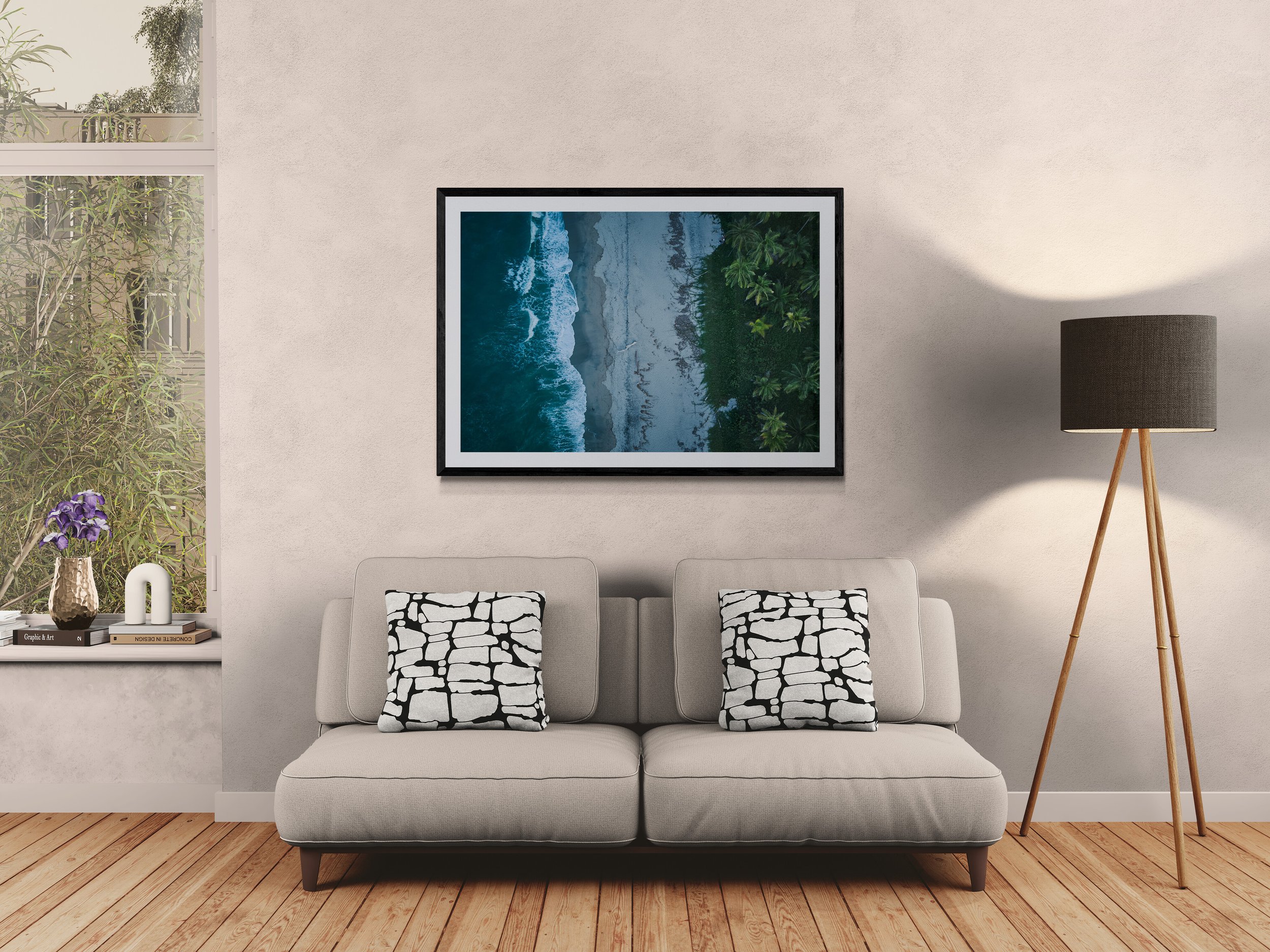
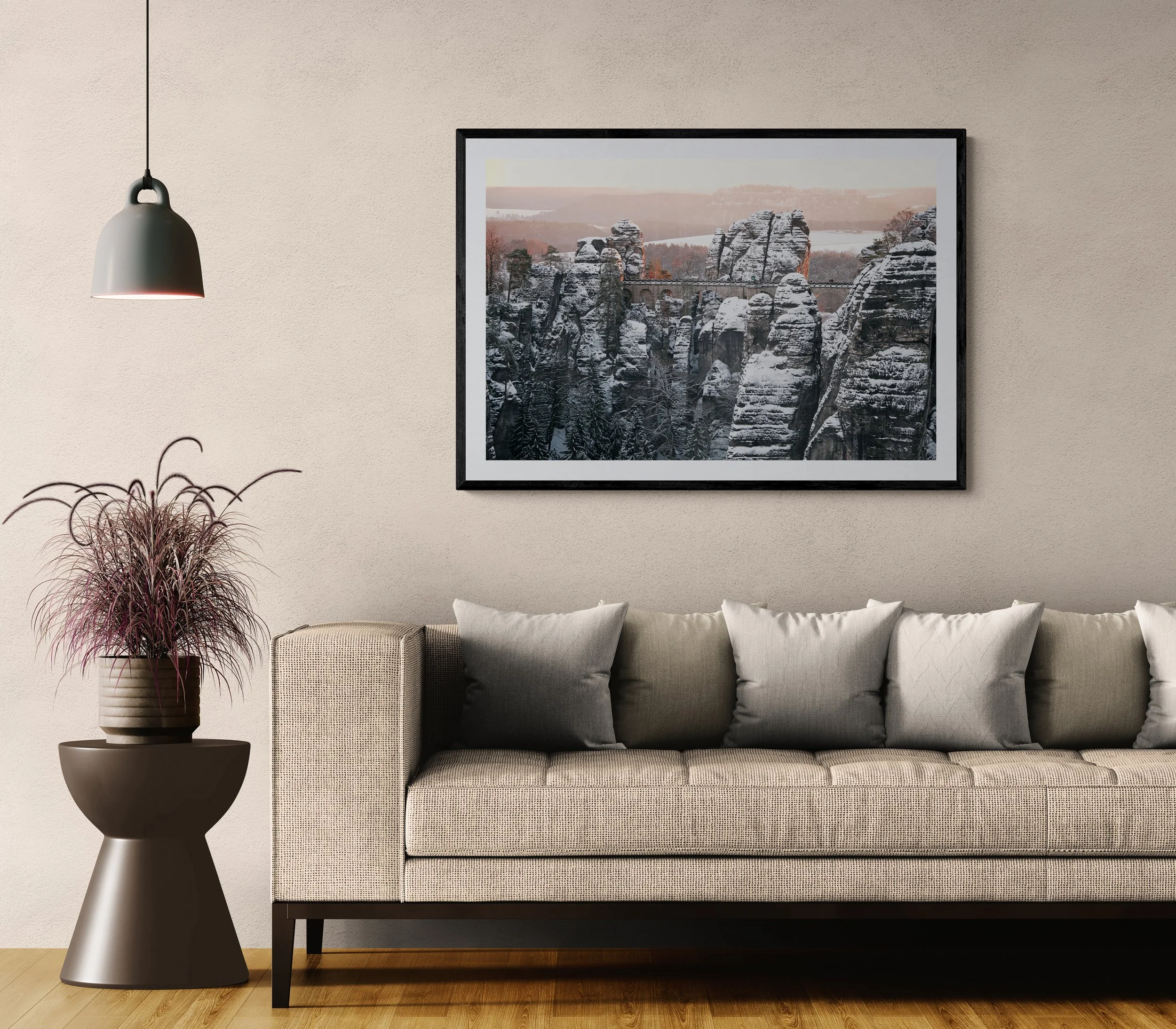

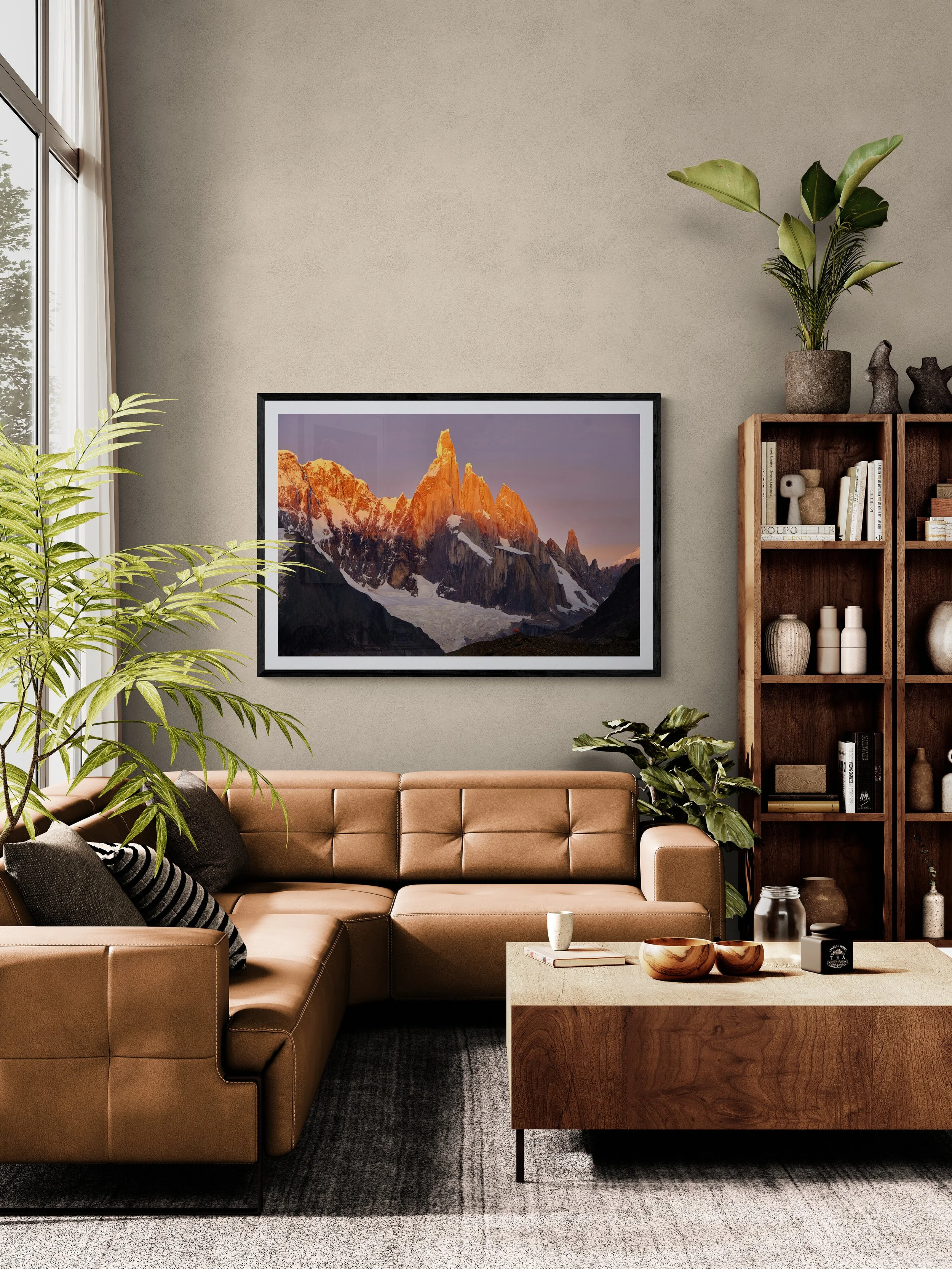
EcoFrame exists at the intersection of these challenges and opportunities.It is a response to a broken system — and a small but tangible step toward a better one.By transforming plastic waste into meaningful, lasting objects, and linking each creation to environmental restoration,
the project aims to demonstrate that waste can become value, design can drive awareness, and small actions — multiplied — can create real impact.This is not about solving everything.
It’s about contributing to change — where it matters, and how it matters.If this vision resonates with you, you are invited to be part of it.